IMPORTANT DISCLOSURE: As an Amazon Associate I earn from qualifying purchases. This means if you click on an Amazon link and make a purchase, I may receive a small commission at no additional cost to you.


As an Amazon Associate, I earn from qualifying purchases.
Why Portable Speakers Have Become Essential in American Life
The way Americans consume audio has fundamentally changed over the past decade. Music, podcasts, audiobooks, and streaming content no longer stay confined to home stereo systems or car dashboards. People want their audio experiences to follow them—to the backyard, the beach, the park, or anywhere their daily activities take them. This shift created an entirely new category of personal electronics centered around one simple idea: big sound should not require big equipment.
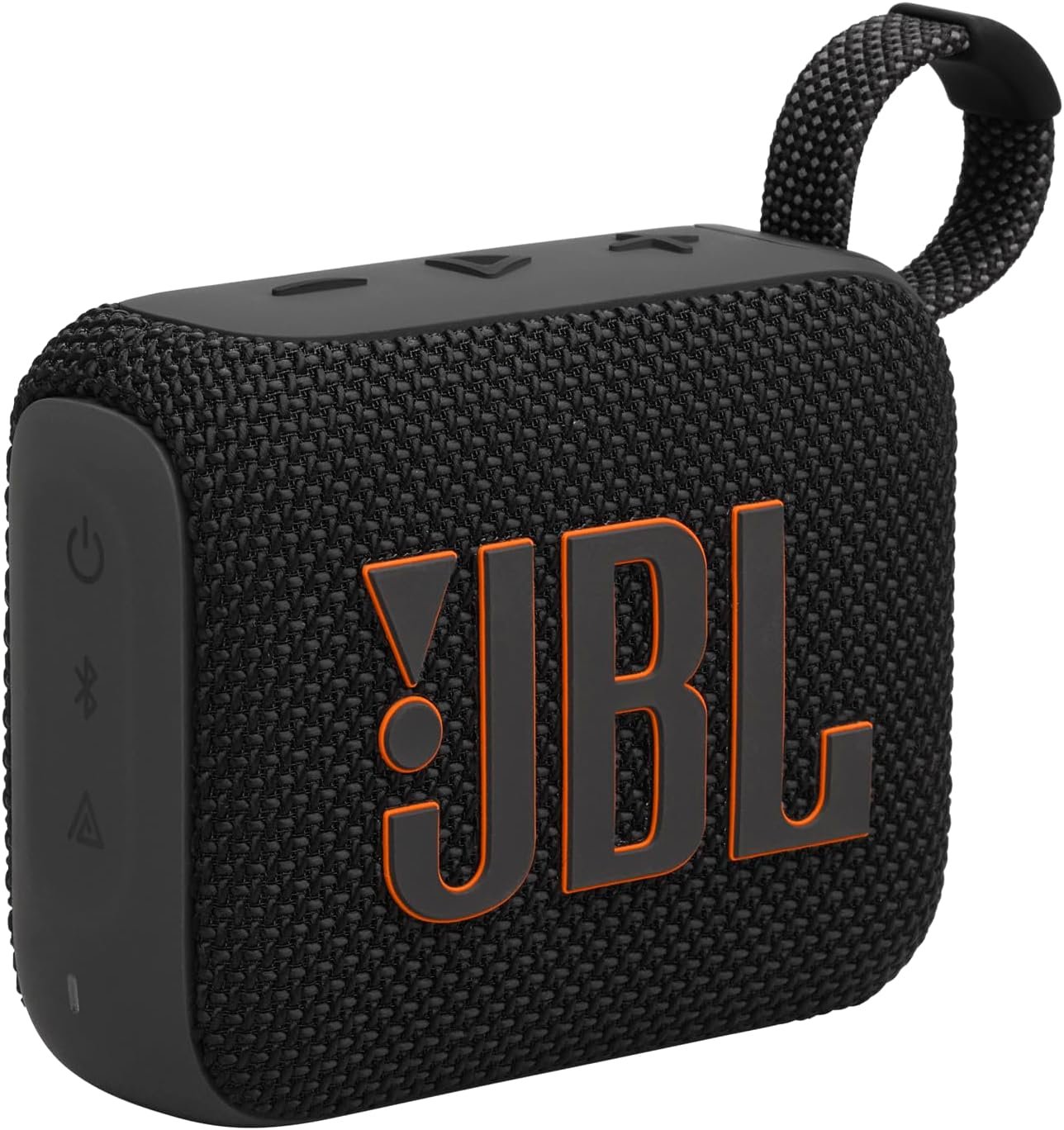
The JBL Go 4 represents the latest evolution in ultra-portable Bluetooth speakers. It addresses a specific need that millions of Americans share—the desire for quality audio that fits in a pocket or bag, survives real-world conditions, and works reliably without complicated setup. This is not about replacing home theater systems or audiophile listening rooms. Instead, it focuses on bringing enjoyable sound to situations where traditional audio equipment simply cannot go.
Understanding what makes a portable speaker genuinely useful requires looking beyond technical specifications. Battery life matters only if it matches how you actually use the device. Waterproofing means nothing if the speaker sounds terrible. Compact size loses value if the build quality cannot withstand being tossed in bags or left on outdoor tables. The Go 4 attempts to balance all these factors in a package small enough to forget you are carrying until you want to use it.
Understanding JBL Pro Sound in a Compact Package
When a speaker measures just a few inches across, expectations naturally adjust. Nobody anticipates concert-hall acoustics from something you can hold in one hand. However, the challenge manufacturers face involves delivering sound that exceeds those lowered expectations rather than merely meeting them. JBL positions the Go 4 around what they call Pro Sound technology, which refers to their approach to tuning and speaker design rather than specific components.
What Actually Creates Sound Quality in Small Speakers
Physical size creates unavoidable limitations in audio reproduction. Larger speaker drivers can move more air, which directly translates to louder maximum volume and better bass response. When you shrink a speaker to pocket size, physics imposes real constraints on what becomes possible. The engineering challenge involves maximizing performance within those physical limits rather than pretending they do not exist.
The Go 4 uses a single full-range driver, which is standard for speakers in this size category. Full-range drivers handle the entire frequency spectrum from bass through treble, unlike larger speakers that might use separate drivers for different frequency ranges. The advantage of a full-range approach in compact speakers is simplicity and efficiency—all available power goes to one driver rather than being split across multiple components.
JBL mentions punchier bass specifically, which suggests they have tuned the Go 4 to emphasize lower frequencies more than previous models. This tuning happens through a combination of factors including the driver itself, the internal cabinet design, and digital signal processing. The goal is creating bass response that feels satisfying despite the obvious physical limitations of the small cabinet.
Setting Realistic Expectations for Portable Audio
Understanding what to expect from the Go 4 requires being honest about what compact speakers can and cannot do. This speaker will not shake your walls or provide the deep, rumbling bass that electronic music fans might want. The treble will not match the crisp detail of studio monitors. Mid-range clarity exists within the constraints of that single small driver.
What the Go 4 can do is provide clear, reasonably balanced sound at moderate volume levels appropriate for personal listening or small groups. When you are sitting at a desk, relaxing on a patio, or picnicking in a park, it delivers audio quality that makes those experiences more enjoyable. The sound feels present and engaging without requiring you to constantly adjust volume or strain to hear details.
This matters because portable speakers serve different purposes than home audio systems. You use them in noisier environments, often outdoors, frequently while doing other activities. In these contexts, perfect frequency response matters far less than reliable performance, convenient controls, and sound that remains pleasant across a variety of content types.
Choosing Audio Content That Sounds Best on Portable Speakers
Small speakers generally perform better with certain types of audio content. Podcasts and spoken word content work exceptionally well since voice frequencies fall within the mid-range where compact speakers excel. Acoustic music, classic rock, and pop tend to sound better than bass-heavy electronic music or orchestral pieces with wide dynamic ranges. Understanding these preferences helps you get the most enjoyment from any portable speaker including the Go 4.
Battery Performance and Playtime Boost Feature
Battery life represents one of the most important practical considerations for any wireless device. The specifications might promise specific numbers, but real-world usage often differs based on volume levels, content type, and environmental conditions. The Go 4 advertises up to seven hours of playtime on a single charge, with an additional Playtime Boost feature that can extend this to nine hours total.
Understanding the Seven-Hour Standard Runtime
Seven hours of playtime covers many common use scenarios without requiring you to think about charging. A full workday at a desk, an afternoon and evening outdoor gathering, or a long day at the beach all fit within this window. This runtime assumes moderate volume levels, which is how most people actually use portable speakers most of the time.
Volume level dramatically affects battery consumption. Playing at maximum volume drains batteries much faster than moderate levels, potentially cutting runtime in half or more. Fortunately, the situations where you need maximum volume are relatively rare. Most personal and small group listening happens at fifty to seventy percent volume, which falls within the efficient operating range.
The battery in the Go 4 charges via USB-C, which has become the standard for modern electronics. This means you likely already have compatible charging cables and power adapters from phones, tablets, or other devices. The convenience of standardized charging cannot be overstated—you no longer need to carry speaker-specific cables when traveling or worry about losing the one proprietary cable that came with the device.
How Playtime Boost Extends Your Listening Sessions
Playtime Boost represents JBL’s approach to emergency battery extension. When enabled, this mode makes adjustments to audio processing and potentially limits maximum volume to reduce power consumption. The result is approximately two additional hours of playtime, bringing the total potential runtime to nine hours.
Think of Playtime Boost as a reserve tank for situations where you need the speaker to last longer than expected. Perhaps you are at an all-day outdoor event, or you forgot to charge before a trip, or you simply want peace of mind knowing you have battery to spare. Enabling this mode makes practical sense when you prioritize duration over maximum audio performance.
The trade-offs involved in Playtime Boost will not dramatically change your listening experience under normal conditions. You are not sacrificing quality in a way that makes audio unpleasant—you are simply operating in a slightly more conservative power mode. For many users, the difference may not even be noticeable, particularly in outdoor settings where ambient noise already masks subtle audio details.
Charging Time and Practical Battery Management
While specific charging time is not detailed in the product information, USB-C charging for devices of this size typically requires two to three hours for a full charge. This fits conveniently into daily routines—charge overnight, charge during a work or school day, or charge during any extended period when you are not using the speaker.
Many people find that establishing a simple charging routine prevents battery anxiety entirely. Keep the speaker on a charger when not in use, or develop a habit of charging it in a specific location like your nightstand or desk. This approach means the speaker stays ready for spontaneous use without requiring you to plan ahead or monitor battery levels constantly.
IP67 Rating: Understanding True Waterproof Protection
The term waterproof gets used loosely in consumer electronics marketing, sometimes describing anything from light splash resistance to full submersion capability. The IP rating system provides standardized, testable definitions that cut through marketing ambiguity. The Go 4 carries an IP67 rating, which has specific technical meanings that translate to clear practical benefits.
Decoding the IP67 Specification
IP ratings consist of two digits, each indicating protection against different types of intrusion. The first digit rates solid particle protection, while the second covers liquid protection. In IP67, the six means complete protection against dust—no dust particles can enter the speaker housing even during prolonged exposure. The seven means the speaker can withstand immersion in water up to one meter deep for thirty minutes without damage.
This level of protection exceeds what most people will ever subject their speaker to during normal use. You can confidently use the Go 4 in any weather condition, place it near pools or in shallow water, take it to beaches where sand and moisture are constant threats, or simply not worry when someone inevitably spills a drink near it. This peace of mind changes how you use the speaker—it becomes truly portable rather than something you baby and protect.
Real-World Scenarios Where IP67 Matters
Consider typical situations where portable speakers get used. Poolside listening means constant splash risks from people jumping in, pool toys, or simple water horseplay. Beach environments combine moisture from ocean spray with sand that works its way into everything. Hiking or camping introduces rain, stream crossings, and dusty trails. Backyard gatherings involve grass moisture, unexpected weather changes, and the chaos of kids and pets running around.
Without proper protection, any of these scenarios could damage or destroy a speaker. With IP67 rating, they become non-issues. You stop calculating risks before using the speaker and instead just use it wherever you want audio. This fundamental shift from cautious protection to confident use represents the real value of proper waterproof and dustproof design.
Limitations and Care Considerations
While IP67 provides excellent protection, it does have limits worth understanding. The rating applies to fresh water, not salt water or chlorinated pool water. Extended exposure to salt water particularly can cause corrosion over time even in waterproof devices. If the Go 4 does get exposed to salt or chlorine, rinsing it with fresh water afterward helps prevent long-term damage.
The waterproof seals that enable IP67 protection can degrade over time, particularly if the speaker experiences drops or impacts that stress the housing. While the speaker will likely maintain water resistance for years under normal use, you should not assume perfect waterproofing indefinitely. Periodic inspection of ports and seams makes sense, and avoiding unnecessary water exposure still represents good practice even for waterproof devices.
Temperature extremes can also affect waterproof seals. Leaving the speaker in direct sun where it becomes extremely hot, then immediately submerging it in cold water, creates thermal stress that might compromise seals faster than normal use. While you do not need to obsess over these considerations, basic awareness helps maximize the longevity of waterproof protection.
Caring for Your Waterproof Speaker
- Rinse after salt or chlorine exposure – A quick freshwater rinse prevents long-term corrosion
- Let it dry before charging – Ensure the charging port is completely dry before connecting cables
- Avoid extreme temperature swings – Do not move directly from very hot to very cold environments
- Check seals periodically – Inspect the charging port cover and housing seams for damage
- Store in moderate conditions – Keep the speaker in temperature-controlled environments when not in use
Auracast Technology and Multi-Speaker Connectivity
One of the Go 4’s more forward-looking features involves Auracast technology, which represents a newer approach to wireless audio connectivity. While traditional Bluetooth handles one-to-one connections between your phone and a speaker, Auracast enables one-to-many broadcasting scenarios along with speaker pairing capabilities that expand your audio options.
Pairing Two Go 4 Speakers for Stereo Sound
The most immediately practical Auracast application for Go 4 owners involves pairing two units together. When you connect two Go 4 speakers, they can operate in true stereo mode—one speaker handles the left channel, the other handles the right channel. This separation creates a more spacious soundstage and allows you to position speakers for better room coverage.
Stereo pairing makes particular sense in certain situations. When hosting small gatherings, placing speakers at opposite ends of a space provides more even audio distribution than a single speaker in one location. For movie watching on tablets or laptops, stereo speakers positioned on either side create more immersive audio than built-in device speakers or a single Bluetooth speaker.
The setup process for stereo pairing needs to be simple enough for people to actually use it rather than leaving it as a feature they know exists but never enable. While specific pairing instructions depend on your devices, modern Bluetooth pairing generally involves putting both speakers in pairing mode, then using your phone or audio source to link them together. Once initially set up, many devices remember these configurations for quick reconnection.
Expanding Your Setup with Other Auracast Speakers
Beyond pairing two identical Go 4 units, Auracast enables connections with other JBL speakers that support the technology. This opens interesting possibilities for people who own multiple JBL products or who gradually build speaker collections over time. You might start with a Go 4 for portability, later add a larger JBL speaker for home use, then discover you can connect them together when hosting larger gatherings.
This ecosystem approach to speaker connectivity contrasts with traditional models where each device operates independently. Instead of being locked into single-speaker limitations, you gain flexibility to scale audio to match different situations. The small, portable Go 4 serves everyday personal needs, but it can contribute to bigger setups when circumstances call for more sound.
Future-Proofing Through New Standards
Auracast represents part of the Bluetooth LE Audio specification, which is gradually being adopted across the audio industry. By including Auracast in the Go 4, JBL positions this speaker to work with future devices and features as the standard becomes more widespread. This future-proofing matters for a device you might own for several years, ensuring it remains compatible with evolving wireless audio ecosystems.
As more venues, devices, and audio products adopt Auracast, new use cases will emerge that are difficult to fully predict today. The Go 4’s support for this technology means it should remain relevant as these capabilities develop, rather than becoming outdated as soon as newer wireless standards appear.
Sustainability and Recycled Materials
Environmental consciousness increasingly influences purchasing decisions among American consumers. Many people want products that deliver needed functionality while minimizing environmental impact where reasonably possible. The Go 4 incorporates several sustainability-focused design choices that address these concerns without compromising on the features that make the speaker useful.
Post-Consumer Recycled Plastics in Construction
The speaker housing uses post-consumer recycled plastic, which means plastic that was previously used in other products, collected through recycling programs, then processed and reformed into new materials. This approach reduces demand for virgin plastic production, which requires petroleum extraction and energy-intensive manufacturing processes. Using recycled content also helps address the growing problem of plastic waste by creating markets for collected recyclable materials.
Importantly, using recycled plastics does not mean compromising on durability or build quality. Modern recycled plastics can match or exceed the properties of virgin materials when properly processed. The Go 4 needs to withstand drops, exposure to elements, and years of regular use—requirements that recycled plastics can meet when engineered correctly.
Recycled Fabric in Speaker Grille
The speaker grille fabric also comes from recycled sources. Speaker grilles serve both functional and aesthetic purposes—they protect the driver while allowing sound to pass through clearly, and they contribute significantly to the speaker’s visual appearance. Manufacturing fabric from recycled materials rather than virgin textiles reduces water consumption, energy use, and waste associated with textile production.
This choice illustrates how sustainable materials can appear throughout a product, not just in the most visible components. Every element that can incorporate recycled content contributes to reduced environmental impact, even if individual contributions seem small.
Sustainable Packaging Choices
The packaging approach reflects similar environmental considerations. FSC-certified paper means the packaging paper comes from responsibly managed forests that meet Forest Stewardship Council standards for environmental and social responsibility. Soy-based printing inks offer a renewable alternative to petroleum-based inks traditionally used in packaging.
Packaging sustainability matters because it represents material used once then typically discarded. Making these single-use materials as environmentally responsible as possible helps minimize the overall environmental footprint of bringing products to market. While packaging gets less attention than the product itself, it accounts for significant material use across millions of units sold.
Balancing Sustainability with Performance
The key to sustainable product design involves making environmental choices that do not compromise the features and performance that make the product worth buying in the first place. A speaker made entirely from recycled materials but that sounds terrible or breaks quickly actually creates more environmental harm than a less sustainable but longer-lasting alternative. Consumers must replace failed products, generating more waste and consumption.
The Go 4’s approach appears to balance these considerations by incorporating recycled and sustainable materials where practical while maintaining the durability, sound quality, and features that make the speaker genuinely useful. This balance makes sustainability part of the product’s value rather than a trade-off against performance.
Design Philosophy: Function Through Simplicity
The Go 4’s physical design reflects a minimalist approach focused on portability and ease of use rather than attention-grabbing aesthetics. The compact rectangular form factor maximizes internal volume for audio components while maintaining a shape that fits easily in bags, cup holders, and small spaces.
Size and Portability Considerations
True portability requires more than just being technically carriable. A speaker needs to be small and light enough that bringing it along feels effortless rather than requiring deliberate planning and accommodation. The Go 4’s dimensions allow it to slip into jacket pockets, bag side pockets, or backpack compartments without demanding dedicated space or careful packing.
This casual portability changes usage patterns. When a speaker is genuinely easy to carry, you bring it more places, use it more often, and integrate it into more aspects of daily life. It becomes something you grab automatically rather than something you specifically decide to bring. This increased usage represents the real value of ultra-compact design—the speaker delivers more total enjoyment because it is present for more moments where audio enhances the experience.
Control Interface and User Experience
Physical buttons remain the standard control interface for portable speakers, and the Go 4 continues this approach. While touchscreens and gesture controls exist in some audio products, physical buttons offer important advantages for portable use. They work with wet hands, they provide tactile feedback so you can control the speaker without looking at it, and they have no power requirements beyond the mechanical switch mechanism.
The specific button layout and functions would typically include power, volume, and play/pause controls at minimum. These basic functions cover the majority of what people need to control during normal use. More complex controls can be handled through the connected phone or device, keeping the speaker interface simple and preventing button confusion.
Visual Design and Versatility
The black color option provides versatility across different settings and personal styles. Black audio equipment reads as neutral and professional, fitting equally well in office environments, outdoor settings, or personal spaces. This visual versatility matters for a speaker intended to move between different contexts throughout its use.
The branding and visual treatment appear understated, allowing the speaker to fade into the background visually while performing its audio function. For many users, this discretion represents ideal design—the speaker does its job without demanding attention or clashing with surroundings.
⚠️ Realistic Limitations to Consider
- Volume limits – Maximum volume suits personal and small group listening but will not fill large spaces
- Bass constraints – Physical size limits deep bass response despite tuning efforts
- Not for parties – Better suited for gatherings under fifteen people than large events
- Single driver limitations – Cannot match frequency separation of multi-driver systems
- Bluetooth range – Effective range typically around thirty feet in open areas with obstacles reducing range
Ideal Use Cases and User Profiles
Understanding who benefits most from the Go 4 requires looking at specific use patterns and priorities rather than trying to identify the perfect universal owner. Different people will find value in this speaker for different reasons based on their lifestyles and audio needs.
The Frequent Traveler
People who travel regularly for work or leisure face constant challenges maintaining their routines and comforts while away from home. A compact Bluetooth speaker transforms hotel rooms from sterile temporary spaces into more personal environments. Morning podcasts while getting ready, background music during work sessions, or evening wind-down audio all become possible without relying on mediocre device speakers or television audio.
The Go 4’s size makes it practical even for carry-on-only travel. It adds minimal weight and bulk to luggage while dramatically improving audio quality in temporary accommodations. The waterproof rating also provides confidence when using it in hotel bathrooms during showers or baths—a common scenario where people want audio but previous speaker types could not safely go.
Outdoor and Active Lifestyles
Hikers, campers, beach enthusiasts, and outdoor fitness advocates benefit from the Go 4’s combination of durability and portability. The speaker can handle the environmental conditions these activities involve while providing audio that enhances experiences without weighing down packs or creating logistical challenges.
Consider a day hike where you want music during the walk and during rest stops. The Go 4 clips to a pack or fits in a side pocket, surviving the jostling and weather exposure the hike involves. When you reach your destination, it provides ambiance without the hassle of larger speakers. The same portability and durability serve beach trips, kayaking adventures, or backyard activities where electronics typically become liabilities.
Home and Office Use
Not all portable speakers actually leave home frequently. Many people value compact speakers for home and office use where they move between rooms or spaces throughout the day. The Go 4 can live on a desk during work hours, move to the kitchen during meal prep, relocate to a bedroom in the evening, or travel to a bathroom for shower audio without requiring permanent installation or dedicated spaces in each location.
This mobility within home environments creates flexibility that fixed speakers cannot match. You bring audio to wherever you currently are rather than planning activities around where speakers exist. For apartment dwellers or people with limited space, this flexibility becomes particularly valuable since it eliminates the need for multiple speakers in different rooms.
Budget-Conscious Quality Seekers
The Go 4 represents an entry point to quality portable audio from a recognized brand. For people wanting reliable audio performance without large investments, compact speakers from established brands often provide better value than cheap alternatives that sacrifice sound quality, durability, or features in pursuit of the lowest possible price.
This speaker makes sense for students, young professionals, or anyone building their first collection of personal electronics. It delivers genuine value through features that matter and build quality that should provide years of service, rather than impressive specifications that do not translate to real-world satisfaction.
Long-Term Ownership Considerations
Evaluating any product should include thinking about the full ownership experience over time rather than just initial impressions and specifications. How well will this speaker serve its owner in year two, three, and beyond?
Battery Lifespan and Replacement
All rechargeable batteries degrade over time through chemical processes that occur during charge and discharge cycles. The battery in the Go 4 will eventually hold less charge than when new, though this degradation happens gradually over hundreds of cycles. In practical terms, you might get two to three years of regular use before noticing significant battery life reduction.
When batteries do eventually decline, the options depend on the speaker design. Some portable speakers have user-replaceable batteries, while others require professional service or effectively end their useful life when batteries fail. Understanding this ahead of time helps set appropriate expectations for the speaker’s practical lifespan.
Durability Through Regular Use
The combination of IP67 rating, solid construction, and minimal moving parts suggests the Go 4 should handle regular use well. Portable speakers face rougher treatment than home electronics—they get dropped, knocked around in bags, exposed to elements, and generally experience more physical stress than stationary devices.
Build quality matters tremendously for portable products precisely because of this rough treatment. A speaker that fails after a few months of normal use provides poor value regardless of features or specifications. Established brands like JBL build reputations partially on reliability because repeat customers emerge only when products survive and perform as expected over time.
Technology Evolution and Relevance
Audio technology evolves more slowly than many consumer electronics categories. A Bluetooth speaker purchased today will still successfully play audio in five years using the same connection standards and achieving similar sound quality. This stability means portable speakers avoid the rapid obsolescence that affects products like smartphones or computers.
The inclusion of newer features like Auracast provides some future-proofing, but the Go 4’s core functionality—connecting to your device and playing audio—will remain relevant regardless of what new technologies emerge. This longevity makes portable speakers good long-term purchases rather than products you replace frequently to access new capabilities.
Final Assessment: Practical Portability Done Right
The JBL Go 4 represents a refined approach to ultra-portable Bluetooth speakers. It does not try to be everything to everyone, instead focusing on doing specific things well—delivering quality sound in a genuinely portable package, surviving real-world conditions through proper waterproofing, and providing reliable battery life for daily use.
For people who want audio to follow them throughout their days without the burden of large equipment, the Go 4 delivers exactly what matters. The sound quality exceeds what you might expect from such a compact device. The durability inspires confidence to use the speaker freely rather than carefully protecting it. The battery life fits actual usage patterns without creating anxiety about finding chargers.
This speaker makes sense for travelers who want quality audio in temporary spaces, outdoor enthusiasts who need rugged portability, home users who value flexibility to move audio between rooms, and anyone seeking an affordable entry to quality portable sound from a trusted brand.
The Go 4 succeeds not through revolutionary features or breakthrough technology, but through competent execution of fundamentals that matter for portable audio. It sounds good, lasts through the day, survives the environments where people actually use portable speakers, and costs less than dinner for two at a nice restaurant. These practical virtues make it a sensible choice for the millions of Americans who want better audio without complexity, investment, or compromise.
Amazon Associates Program Participant: This website is a participant in the Amazon Services LLC Associates Program, an affiliate advertising program designed to provide a means for sites to earn advertising fees by advertising and linking to Amazon.com.
Product Availability: Product availability, features, and specifications are subject to change. Please verify current information on Amazon before making purchase decisions.